Product Sampling Strategy: How to Convert Trial to Purchase

The Sampling Paradox: Why Free Doesn't Always Mean Profitable
Product sampling is one of the most powerful tools in a CPG brand's arsenal. But here's the uncomfortable truth: most brands are leaving money on the table. They invest in samples, staff, and logistics — then hope the trial converts. Hope is not a strategy.
The brands that win at sampling don't just hand out products. They engineer the trial-to-purchase pathway from the first interaction to the moment a consumer puts the product in their cart. This post breaks down exactly how to do that.
Why Product Sampling Still Works in 2026
Despite the rise of digital marketing, in-person product sampling remains one of the highest-converting consumer marketing tactics. The numbers back it up: brands that execute professional sampling programs see an average 475% sales lift during sampling events, with 35-55% of trialists making a purchase within four weeks.
The reason is neurological. Physical product interaction creates sensory memory that digital ads simply can't replicate. When a consumer tastes your beverage, feels your skincare product, or smells your candle, you've bypassed the rational brain and gone straight to emotional connection. That's the moat no competitor can copy with a banner ad.
The 5 Elements of High-Converting Sampling Programs
1. Strategic Venue Selection
Where you sample matters as much as what you sample. The highest-converting programs match sample locations to purchase locations. Sampling a grocery product? Demo it in the store where consumers can immediately buy. Launching a beverage? Activate at events where your target demographic already gathers.
Key venue categories and their conversion profiles:
In-store demos: 25-40% same-day purchase rate. The product is right there — friction to purchase is near zero.
Street-level sampling: 10-20% purchase within 7 days. Great for awareness, but requires a strong follow-up mechanism.
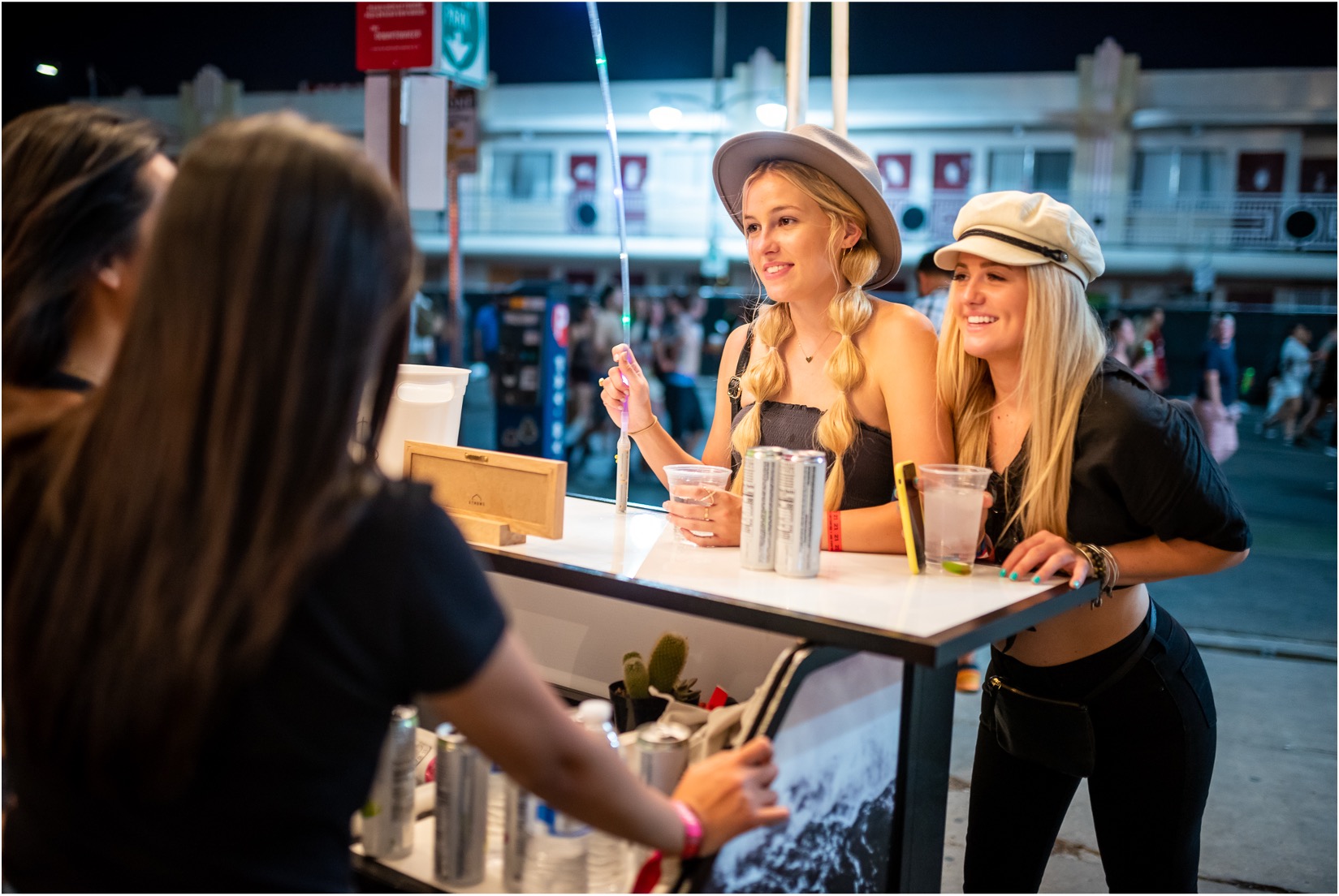
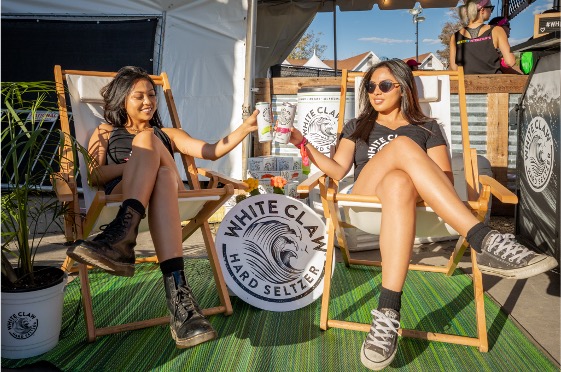
Event-based sampling: 15-30% purchase within 30 days. High engagement, strong brand association, but delayed conversion.
Gym/fitness sampling: 20-35% purchase rate for health and wellness products. Highly targeted, contextually relevant.
2. The Right Staff Makes or Breaks Conversion
Your sampling team is the most critical variable. A great product with a disengaged brand ambassador will underperform a good product with an enthusiastic, knowledgeable one. Every time.
What high-converting sampling staff do differently:
They tell a story, not a pitch. Instead of "Want to try our new protein bar?" they say "We made this for people who want clean protein without the chalky taste — want to see if we nailed it?"
They qualify while engaging. They learn what consumers currently use, what they like about it, and what they'd change. This turns a sample handout into a consultative interaction.
They bridge to purchase. "The product you just tried is in Aisle 7 — and there's a $2 coupon on the shelf tag right now" is the sentence that closes the loop.
At Ignite Productions, every sampling ambassador we deploy gets brand-specific training on product knowledge, competitive positioning, and conversion techniques. It's the difference between sampling and selling.
3. Timing and Frequency
One-time sampling events generate a spike. Sustained sampling programs build market share. The optimal frequency depends on your product category and distribution strategy, but a general framework:
Launch phase: Sample 3-4 days per week for 4-6 weeks in target stores. This builds the initial awareness and trial base.
Growth phase: Shift to 1-2 days per week, rotating stores. Maintain velocity while expanding geographic reach.
Maintenance phase: Monthly or bi-monthly sampling in top-performing stores. Reinforce brand presence and catch new consumers.
4. The Post-Trial Follow-Up
This is where most brands fail. The consumer tried your product, loved it, and then... nothing. Two weeks later, they've forgotten the brand name and gone back to their default choice.
High-performing brands build post-trial touchpoints into their sampling programs:
Digital capture at sample: Collect an email or phone number in exchange for a recipe card, coupon, or contest entry. Even a 30% opt-in rate gives you a retargeting list.
SMS follow-up within 48 hours: "Hey! How'd you like the [product]? Here's $2 off your first full-size purchase — available at [retailer]." Simple, timely, and trackable.
Social proof amplification: Encourage trialists to share their experience on social media. User-generated content from real sampling events is some of the most authentic marketing you can create.
5. Measurement That Drives Optimization
Every sampling program should track: samples distributed, consumer interactions, email/phone captures, redemption rates, and sell-through velocity in sampled stores vs. control stores. Without this data, you're flying blind.
Ignite's Spark platform provides real-time reporting on all of these metrics, giving brands the visibility to optimize mid-program rather than waiting for a post-mortem.
Common Sampling Mistakes That Kill Conversion
Sampling without a purchase path: If consumers can't buy your product within minutes of trying it, you've created awareness without conversion. Always sample where the product is available.
Undertrained staff: An ambassador who can't answer basic product questions or articulate your brand story is actively hurting your brand. Training is not optional.
No data capture: If you're not collecting consumer information during sampling, you're paying for a one-time impression instead of building a relationship.
Ignoring post-event follow-up: The sample is the beginning of the customer journey, not the end. Budget for follow-up before you budget for the event.
Ready to Build a Sampling Program That Converts?
Ignite Productions runs product sampling programs for CPG brands nationwide — from in-store demos to large-scale field campaigns. Our 42,000+ brand ambassadors are trained to do more than hand out samples. They're trained to convert trialists into buyers.
Talk to our team about building a sampling strategy designed for measurable sales impact.